Cessna Nose Gear Strut Assembly: Aircraft Landing Gear Support and Shock Absorption
Cessna Nose Gear Strut Assembly: Aircraft Landing Gear Support and Shock Absorption
Blog Article
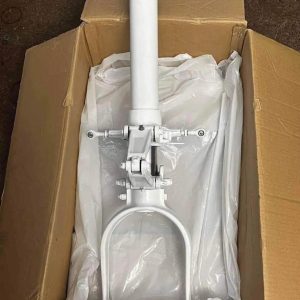
The Cessna Nose Gear Strut Assembly combines load support, controlled compression, wheel positioning, and steering-related functions within the aircraft’s complete landing-gear system.
The Cessna Nose Strut may provide shock absorption and structural support, but actual functions depend on the complete assembly and aircraft configuration.
A Cessna Front Landing Gear Assembly may include an Aircraft Nose Gear Strut, wheel fork, steering parts, attachment hardware, seals, bearings, and other model-specific components.
These related terms help connect the product with aircraft owners, maintenance facilities, restorers, and general aviation parts buyers.
General Aviation Landing Gear Parts listings should provide exact identification, condition, measurements, records, and included components for professional evaluation.
Identifying the Complete Nose Gear Component
The seller should provide clear photographs of the cylinder, piston, fork, steering features, mounting points, torque links, hardware, and identification markings.
Transparent package details improve the commercial value of the Cessna Nose Gear Strut Assembly.
How the Nose Gear Supports the Airframe
The nose gear supports a portion of the aircraft’s ground weight and transfers loads into designated airframe attachment points.
A replacement strut cannot correct damaged airframe attachment points or distorted landing-gear geometry by itself.
Shock Absorption and Strut Compression
A shock strut is designed to compress and extend in a controlled manner as the aircraft encounters landing and ground loads.
Servicing values should come from applicable maintenance information rather than estimates based on another Cessna model.
Nose Wheel Steering and Directional Control
Loose steering components can contribute to poor directional response, uneven tire wear, shimmy, and unpredictable ground handling.
The buyer should inspect torque links, attachment bolts, bushings, bearings, and pivot points for looseness or wear.
Avoiding Universal Cessna Fitment Claims
Model-specific verification reduces unsuitable purchases and installation delays.
The complete receiving-aircraft configuration should be reviewed before purchase.
Inspecting for Scoring, Pitting, and Wear
Paint, grease, or contamination should not conceal suspected defects.
Unauthorized grinding, plating, machining, or surface repair should be disclosed.
Understanding Strut Seal Maintenance
Accurate leak evaluation supports dependable Cessna Nose Landing Gear Strut operation.
Incorrect seal material, damaged installation tools, contaminated fluid, or improper assembly can lead to early failure.
Identifying Surface and Hidden Corrosion
Corrosion may develop on external surfaces, inside bores, around fasteners, beneath paint, near mounting points, or within neglected fluid areas.
Fresh paint may improve appearance while concealing corrosion, filler, weld repairs, or damaged surfaces.
Inspecting High-Stress Areas
The absence of obvious damage in photographs does not establish structural integrity.
The seller should disclose the donor aircraft’s removal reason and known incident history.
Understanding Included Landing Gear Components
The axle should remain dimensionally suitable, smooth, correctly secured, and free from severe wear or thread damage.
Wheel bearings, seals, spacers, and retaining hardware should be evaluated separately rather than assumed serviceable because they are attached to the assembly.
Torque Links, Bushings, and Pivot Points
Dimensional inspection supports a durable repair.
Pivot points should move freely without binding while remaining within acceptable play limits.
Evaluating Wheel Alignment and Steering Play
The technician should inspect the complete nose gear and steering system before selecting corrective action.
Measurements and operational checks should support the maintenance decision.
Avoiding Incorrect Landing Gear Servicing
The strut should be serviced using clean equipment and controlled procedures.
The aircraft should be positioned and supported safely before servicing or disassembling the nose gear.
Rebuilding a Cessna Nose Gear Strut
An overhaul may include complete disassembly, cleaning, dimensional inspection, crack inspection, corrosion evaluation, seal replacement, surface review, reassembly, servicing, and functional checks.
Complete records strengthen the commercial value of the Cessna Replacement Nose Gear.
Pre-Purchase Inspection Checklist
A pre-purchase review should confirm the exact part number, configuration, aircraft applicability, serial markings, dimensions, included components, removal reason, condition, repair history, and documentation.
- Confirm the complete Cessna part number, dash number, serial or casting markings, aircraft model, serial-range applicability, strut type, dimensions, and configuration.
- Review the history for hard landings, runway excursions, towing incidents, shimmy, tire failure, overload, storage exposure, freight damage, and structural repair.
- Require packaging that supports the strut and protects the piston surface, cylinder, fork, axle, steering components, fittings, identification markings, records, and loose hardware from impact, corrosion, and movement.
Protecting the Landing Gear Strut in Transit
The chrome or polished piston area should receive protective wrapping that prevents impact and contamination without trapping moisture.
Pre-shipment photographs can document condition, included parts, and packaging before collection.
Preparing a Stored Assembly for Service
During storage, the strut should remain clean, dry, supported, labeled, and protected from impact, moisture, chemicals, dust, and uncontrolled handling.
A stored assembly should not be installed solely because it was previously considered serviceable.
Connecting Steering and Structural Components
Incorrect bolts, improvised spacers, damaged threads, or forced alignment should not be accepted.
Wheel alignment and steering travel should be evaluated after assembly.
Any abnormal indication should receive prompt evaluation before further operation.
Maintaining the Cessna Nose Landing Gear
Consistent care supports dependable Cessna Nose Landing Gear Strut operation.
The nose gear should receive additional inspection here after a hard landing, runway excursion, towing incident, tire failure, severe shimmy, obstacle strike, or abnormal ground handling event.
Landing Gear Ownership and Installation Costs
A recent professional inspection or overhaul can add value when the scope, findings, measurements, and replaced parts are documented accurately.
Availability of technical information, replacement parts, and qualified maintenance support can influence long-term value.
Final Thoughts on the Cessna Nose Landing Gear Strut
The Cessna Nose Gear Strut Assembly can provide valuable replacement, restoration, overhaul, maintenance, inventory, or resale potential when its identity, configuration, condition, completeness, and aircraft applicability are verified.
Careful technical and commercial evaluation can reduce compatibility problems, missing-parts expenses, overhaul surprises, installation delays, steering concerns, and documentation issues.
Whether the requirement is a Cessna Nose Landing Gear Strut, Cessna Nose Gear Assembly, Cessna Landing Gear Strut, or Cessna Nose Strut, exact identification should guide the purchase.
With prompt attention to leakage, scoring, corrosion, shimmy, tire wear, loose bushings, steering play, impact events, and abnormal compression, the installation can preserve its operating potential.
Report this page